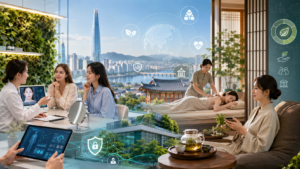
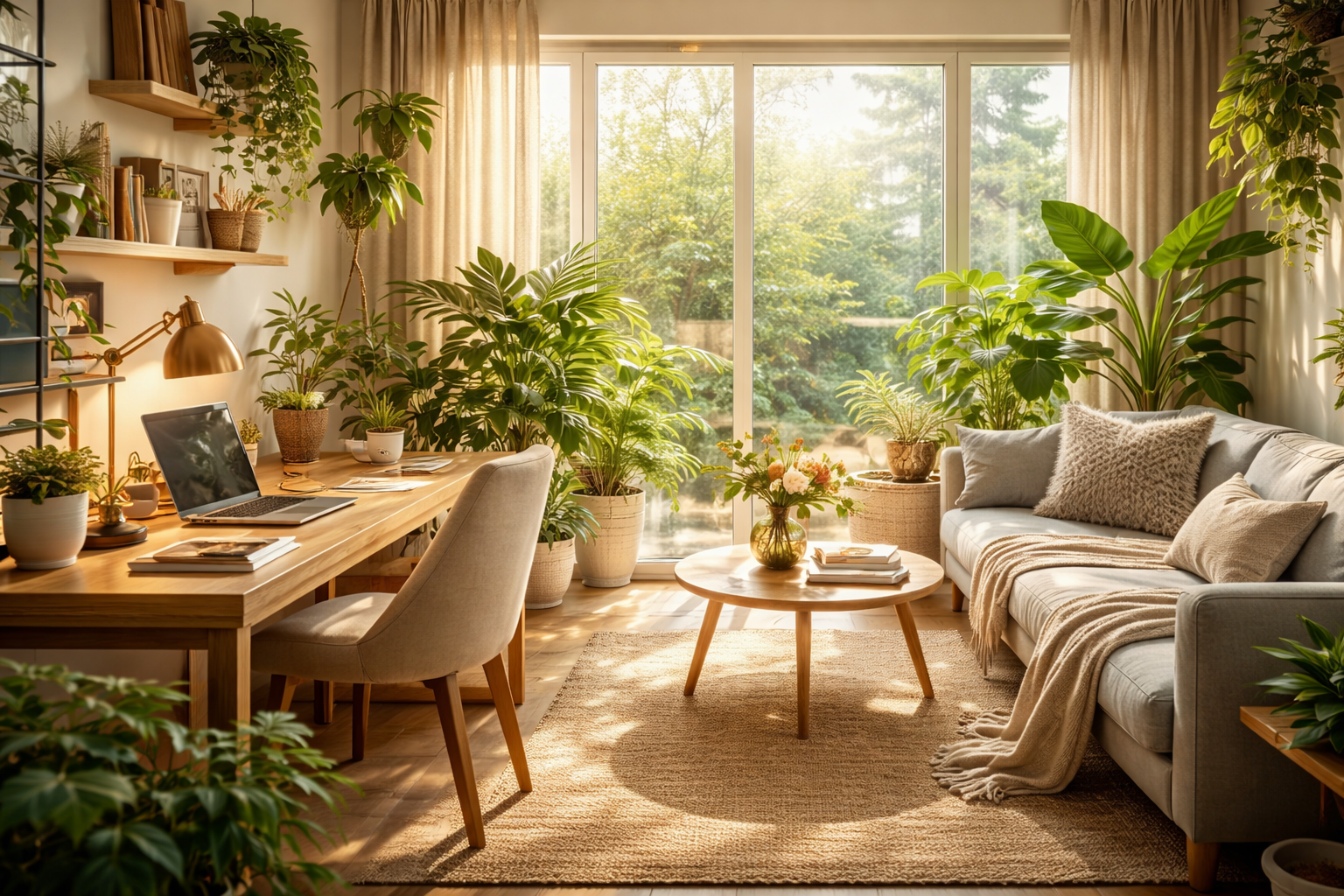
The aesthetic experience of space extends far beyond the visual appeal of interior design. It is a multidimensional concept that profoundly influences our daily lives—shaping our emotions, productivity, and overall well-being.
A well-organized and thoughtfully designed environment does more than please the eye. It reduces stress, enhances concentration and creativity, and fosters stronger communication and human connection. Spaces closely tied to everyday life—such as home offices, learning environments, and areas of rest—hold particular significance, as their aesthetic quality directly impacts the standard of living. This holistic concept may be described as “spatial beauty.”
Achieving spatial beauty requires more than foundational elements like organization and lighting. It demands a deeper commitment to personalized design—one that respects individual preferences, lifestyles, and behavioral patterns. A truly well-designed space is not merely attractive; it must also support psychological stability and functional efficiency. For instance, maximizing natural light or incorporating eco-friendly materials can contribute not only to visual harmony but also to physical health and environmental sustainability.
Importantly, the concept of spatial beauty is also closely linked to social equity. Access to a clean, comfortable, and aesthetically enriching environment should not be a privilege, but a fundamental right. Such environments can enhance the quality of education and housing, ultimately promoting equal opportunities across society. Therefore, the conversation must move beyond individual interior design toward broader investment in community spaces and public environments.
In essence, spatial beauty transcends the narrow boundaries of interior aesthetics. It is a vital element in creating healthier, more fulfilling lives. Moving forward, a more integrated approach—one that balances functionality with beauty—must become central to how we design, manage, and experience the spaces we inhabit.